
Eskadrones unites humans and robots into one multi-agent system to detect and intercept drones.
We cover the entire counter-drone cycle, from scenario modeling to interception and after-action analysis.
About us
What we’re building
1. Multi-agent simulation
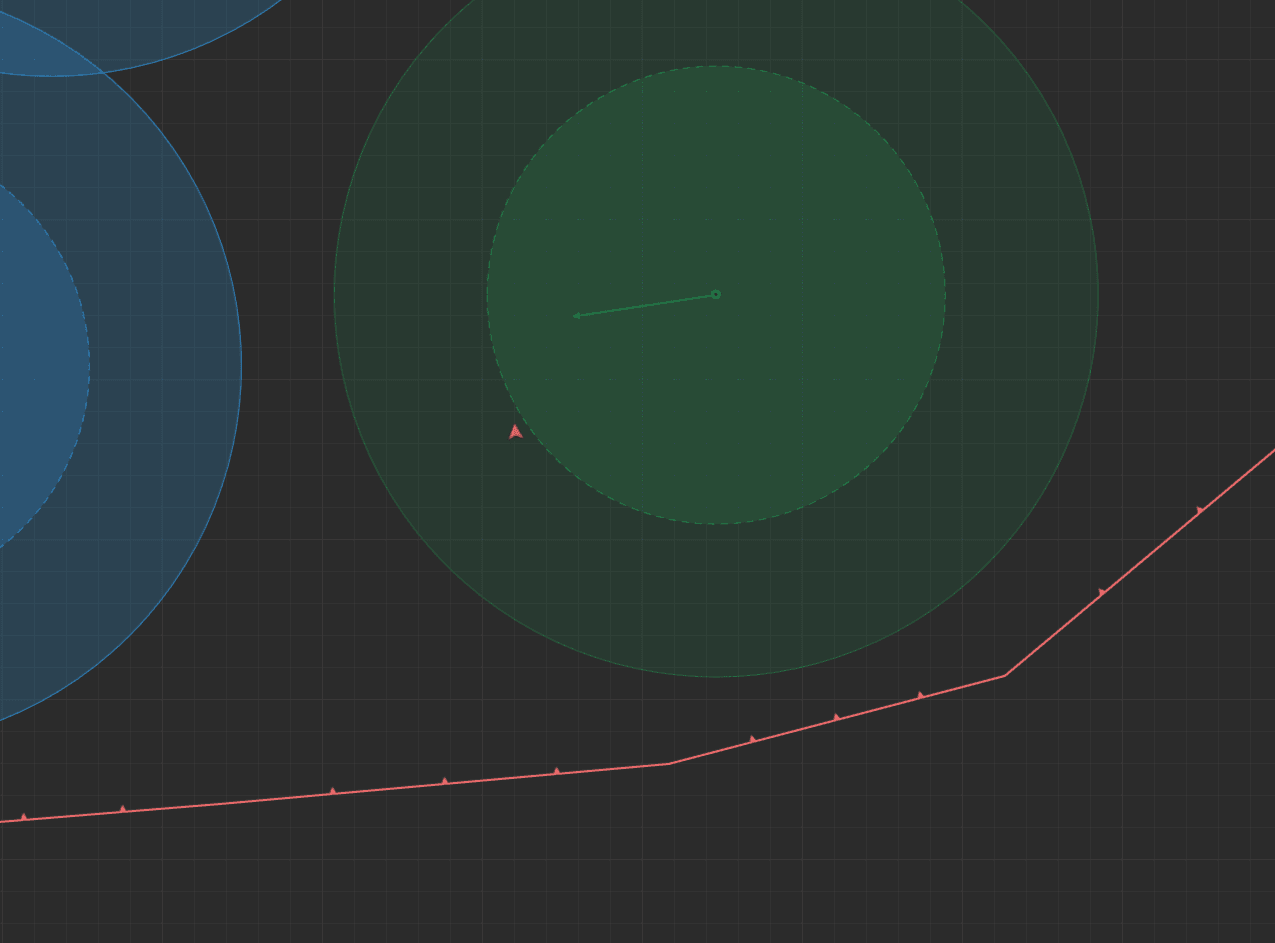
A digital testing ground where people, robots, sensors and hostile drones act as individual agents. Here we play out attack scenarios, test tactics and develop coordination algorithms before real-world deployment.
2. Optimal placement
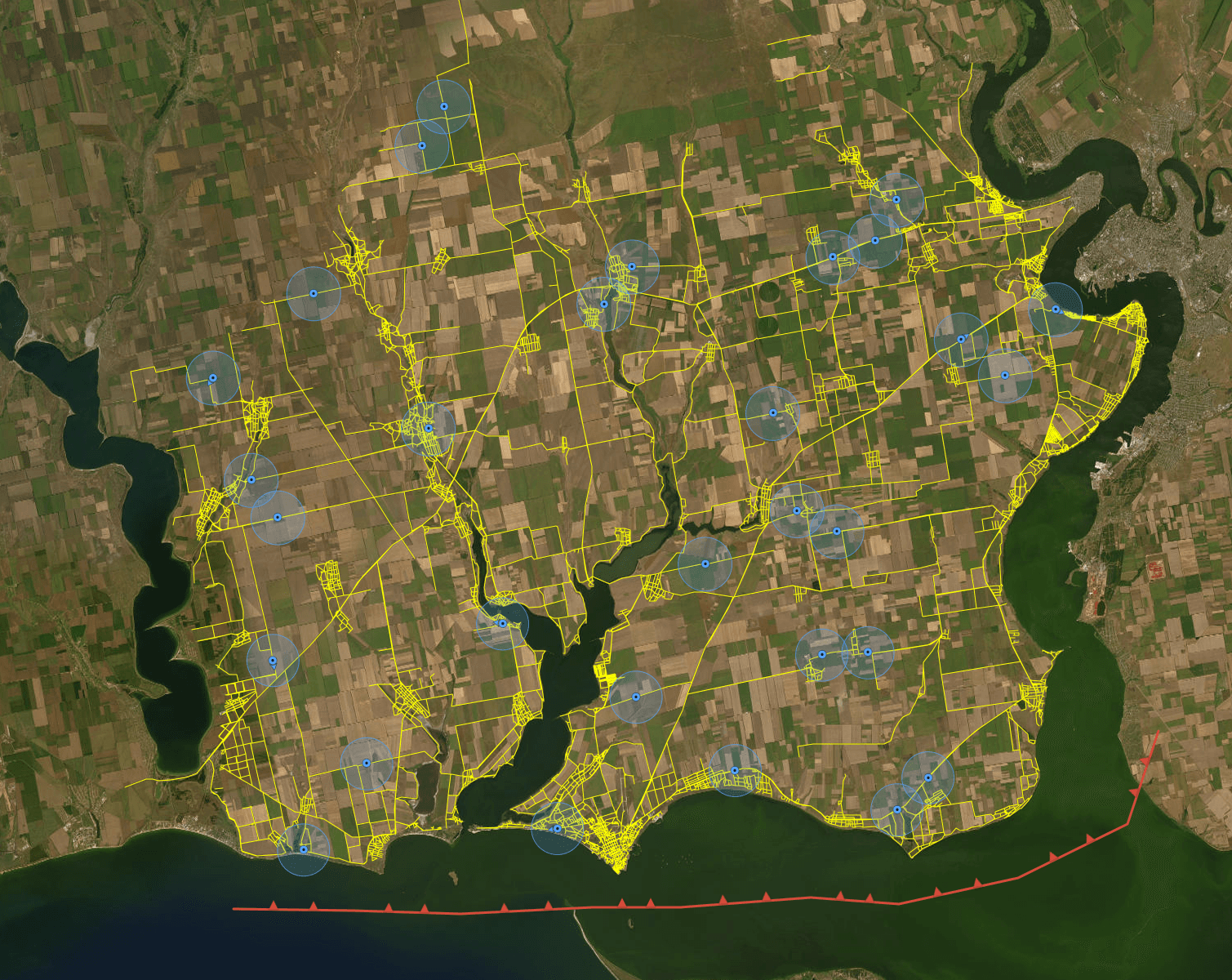
Determining the best configuration of interceptor platforms, bases and sensors on real terrain, taking into account landscape, attack directions and available resources. Each configuration is tested against a wide range of scenarios, because placement effectiveness depends on how agents will interact with each other.
3. Multi-agent coordination
The core of the system: automatic assignment of targets, tasks and roles between people and robots based on their position, status and capabilities. When the situation changes, the system dynamically reshapes their interaction.
4. Sensor data fusion
Merging data from heterogeneous sensors into a shared operational picture available to all agents. This shared picture is what allows agents to act in concert rather than each relying on its own data.
5. Human-system interfaces
In our system, a human is a full-fledged agent and, at the same time, the one who sets tasks and makes key decisions. Our interfaces make it possible to command not a single robot, but a group of agents as a unified whole.
6. Full interception cycle
From target detection and identification to assigning interceptors, tracking and interception. For each target, the system selects the most effective combination of agents, regardless of the asset manufacturer.
7. Real-time monitoring and assessment
Continuous tracking of each agent and the system as a whole during an attack: actions, changes in the situation and deviations from the plan.
8. Post-analysis and optimization
Analysis of results after scenarios and attacks: where coordination succeeded and where it failed. The findings feed back into coordination algorithms, placement and resource allocation, and the cycle begins again.
Contacts
For any questions or proposals, please write to: eskadrones.ua@gmail.com